
Name the target
Which substance, disease process or measurable clinical problem is being discussed? “Toxins” without a defined target is not a complete diagnosis.
Extracorporeal procedures · Patient education
A patient guide to extracorporeal blood oxygenation and ozonation claims, the equipment involved and the questions that must come before a clinical decision.
Explore available careEBOO is not offered or scheduled through this page. No device, protocol or launch date is announced. This guide does not endorse ozone treatment or claims of blood detoxification.
A useful place to begin
This is an evidence and decision guide, not a treatment offer. The responsible next step may be established care or no procedure.
What the acronym describes
EBOO is commonly used to mean extracorporeal blood oxygenation and ozonation. Extracorporeal means outside the body. Products marketed under this label may involve a circuit that withdraws blood, exposes it to a proposed process and returns it. Some marketing also describes filters or ultraviolet light. The name alone does not establish one standardized device or clinical protocol.
That is why the first question is concrete: which complete system is being described, what does it do and which condition is it intended to address? Different equipment, components and claims should not be treated as interchangeable. This page explains how to read those claims and does not provide instructions for performing a procedure.
The anatomy in context
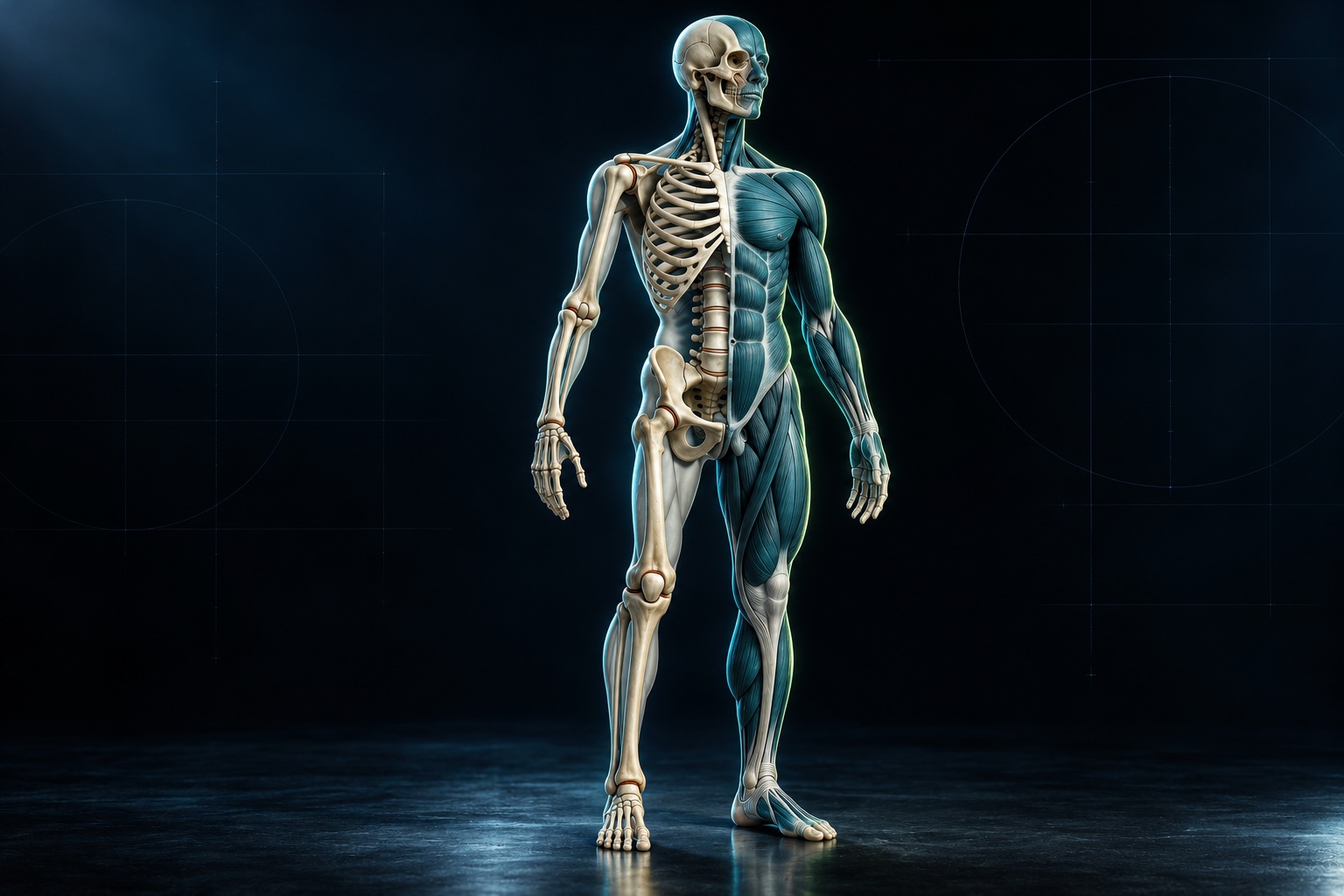
Blood contains red cells, white cells, platelets and plasma. It circulates through vessels and the heart, supporting oxygen transport, immune functions and other processes. Removing blood from that circulation and returning it raises questions about vascular access, equipment, contact materials, contamination and how the blood is affected.
The body’s handling of waste and substances also involves organs such as the kidneys and liver. A broad promise to clean the blood should therefore name the substance of concern, the diagnosis, the measurement and the clinical outcome. A dramatic description of filtration does not show that an illness has been treated or that a person benefits.
Different forms of extracorporeal care
Hemodialysis, therapeutic apheresis and other specialist procedures have specific clinical purposes, equipment requirements and patient selection decisions. They cannot serve as a blanket endorsement of another procedure simply because blood travels through external tubing. The intended use and the evidence for the complete system matter.
When a comparison is made to an established hospital treatment, ask exactly what is shared and what is different. Is the comparison about one component, the circuit design, the process applied to blood or the condition being treated? Similar looking equipment does not establish similar benefits, risks or evidence.
Oxygen and ozone
Oxygen and ozone are different forms of oxygen with different chemical properties. The familiar role of oxygen in breathing does not establish a benefit from exposing blood to ozone. Any proposed clinical effect and potential harm need to be evaluated for the exact procedure being described.
Ozone is a highly reactive gas that can harm respiratory tissue when inhaled. Words such as natural, oxygenating or cleansing do not explain what ozone does within a blood circuit or establish clinical benefit. This page does not advise inhaling ozone or recommend a method of exposing blood to it.
The exact process
Ask for the exact device, circuit, contact materials, filtration steps, ozone exposure method, monitoring plan and intended clinical purpose. A category label does not tell you whether two clinics use the same equipment or process.
A familiar pump, filter or tubing component does not establish the safety or benefit of the complete system. Ask for human evidence involving the full procedure, the same intended condition and outcomes that matter to patients.
Evaluating a detox claim
Which substance, disease process or measurable clinical problem is being discussed? “Toxins” without a defined target is not a complete diagnosis.
How is the target measured before and after the proposed intervention? Ask whether the test is validated for the clinical question.
What useful change in symptoms, function or health was demonstrated? A change in an isolated marker may not establish that people feel or function better.
What happened with established care, observation or another appropriate comparison? An uncontrolled before and after account cannot answer every question.
Risk and uncertainty
A discussion of any extracorporeal procedure should address vascular access, bleeding or clotting concerns, infection control, the handling of blood and the ability to recognize and respond to an unexpected event. Ask which risks are known for the exact system and patient population and which remain uncertain. This guide does not estimate complication rates for an unspecified device.
Safety depends on more than whether someone tolerates a session comfortably. Ask about equipment maintenance, staff qualifications, monitoring, emergency response and follow up responsibility. These questions help reveal what a treatment claim leaves unexplained.
An illustrative decision
Consider an illustrative situation: someone with fatigue and several abnormal laboratory flags is offered a blood cleaning package. The first useful step is to understand the symptoms, prior diagnoses, medicines, testing methods and clinical significance of each result. A highlighted number and a broad detox narrative do not establish the cause of the person’s difficulties.
A qualified clinician can help determine whether the concern calls for targeted testing, a specialist opinion, established treatment or monitoring. The proposed EBOO claim should then be compared against that clinical picture. Ask which evidence supports the claimed outcome and what could be lost by postponing the more established evaluation.
Established alternatives
A practical record
If you are evaluating an advertisement, retain the exact device and manufacturer, the written claim, the proposed purpose, the full protocol and the research being cited. Ask who owns the follow up and how results would be assessed. Avoid accepting a package before understanding what each step is intended to accomplish.
If you have already undergone a procedure, keep the date, facility information and available equipment or product details. Tell a treating clinician about the exposure when discussing new symptoms. Severe chest pain, trouble breathing, loss of consciousness or other emergency symptoms require emergency care; call 911 for a medical emergency.
What to keep in mind
The exact material, processing, equipment and intended use matter more than the label applied to a treatment category. Ask for written information that can be compared with the cited human evidence.
The route, setting, personnel, monitoring and response to complications are separate parts of the assessment. Evidence about one product or route cannot simply be transferred to another.
An educational guide does not establish a diagnosis or an appropriate treatment. Ask what care is supported for the actual concern, who should coordinate it and whether waiting on a product claim could delay effective evaluation.
Direct answers
No EBOO device, protocol or appointment offer is announced on this page. It is education only.
No. Sharing an extracorporeal route does not establish the same purpose, equipment, evidence or risk profile as hemodialysis or another specialist procedure.
Not by itself. A component used in another setting cannot establish the safety or benefit of a different complete system or clinical use.
No. It provides questions for reading a claim, explains evidence limits and directs readers toward evaluation of the underlying clinical concern.
Sources + editorial note
Use primary sources to check a claim in its full context. This page is educational. Personal recommendations depend on your history, examination, goals and the judgment of an appropriately qualified clinician.
Published by Paragon Regen Centers. Updated October 15, 2026. Use this page to prepare for a conversation with your clinician. Your medical history, examination and personal goals guide individual care.
Keep the decision grounded
Use the patient checklist to identify the exact device, intended purpose, evidence, alternatives and follow up before evaluating a claim.
Read the question guide